At this time of year, nature is bustling with activity as it prepares to show off its best. The buds are almost ready to bloom, revealing the full splendor of the flowers as summer arrives.
The Japanese Sophora is also about to bloom. It is a tree with an elegant form that, during the warmer months, is adorned with beautiful cream-white flowers arranged in clusters.
It is precisely from these beautiful flowers that quercetin—the focus of our article today—is extracted.
The benefits.
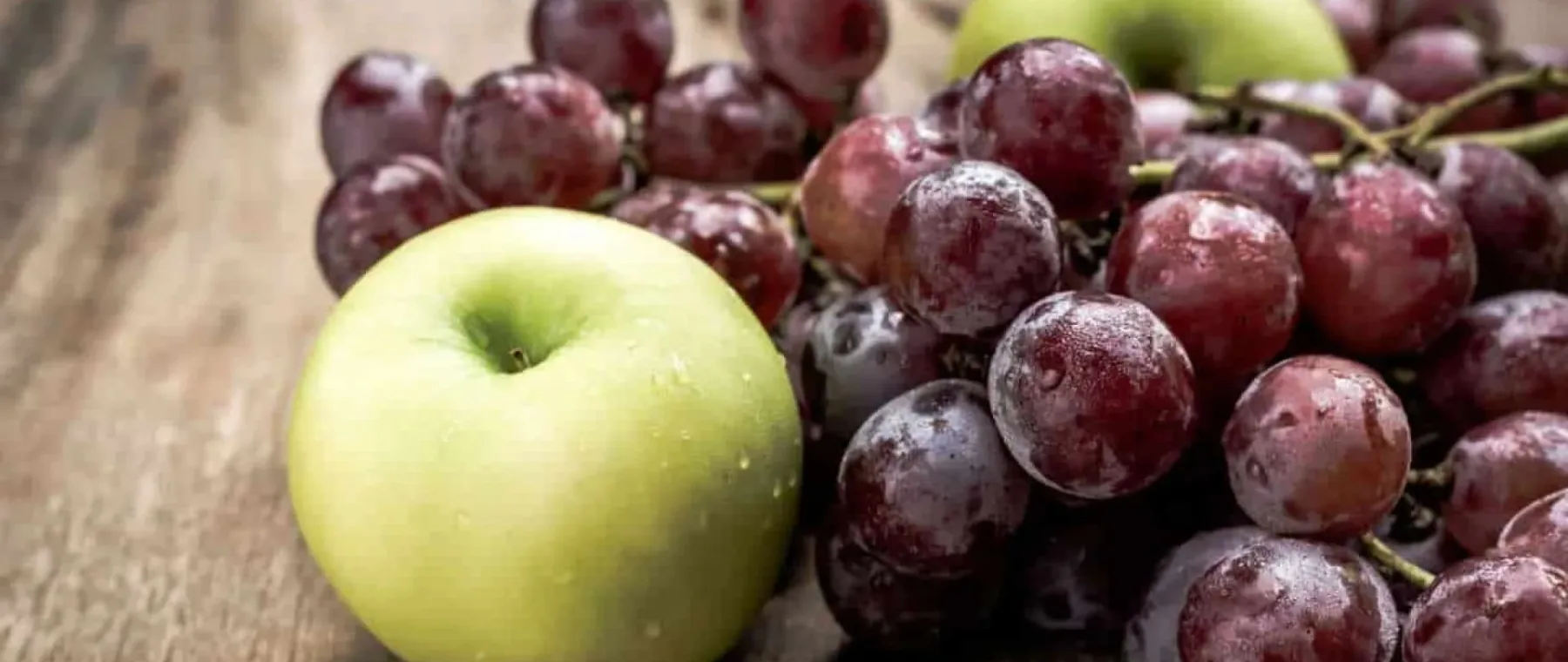
Although quercetin can be found in many types of fruits and vegetables, such as apples, onions, and broccoli, the extract from Sophora japonica is undoubtedly the purest and most effective of all the various natural sources.
Quercetin (also known as Vitamin P) belongs to the flavonoid group and is recognized in both herbal medicine and mainstream medicine for its remarkable antioxidant and anti-inflammatory properties. Its main characteristic is that it works synergistically with Vitamin C, resulting in significant antiviral activity.
It is an excellent remedy to use during the spring to combat the bothersome symptoms of seasonal allergies. As a natural bioflavonoid, quercetin is able to stabilize mast cells, thereby preventing the production of histamine (the molecule responsible for allergic reactions).
Quercetin and the Immune System.
In this regard, numerous studies have been published on the effectiveness of these two substances in treating coronavirus infection.
Quercetin, in particular, has been the subject of numerous in vitro and in vivo studies demonstrating this molecule’s ability to inhibit various respiratory viruses, such as rhinovirus, echovirus, and poliovirus type 1. Furthermore, quercetin is capable of reducing plaque formation caused by both RNA and DNA viruses, such as SARS-CoV-2.
Since it is a specific viral inhibitor, we often recommend a quercetin-based supplement to boost the immune system. Taken together with vitamin C, it can be an effective preventive measure during the coldest months of the year, as well as during seasonal transitions.