

Discover our latest updates.
For many people, spring is the worst time of year for allergies; the main cause of allergic reactions isthe high concentration of pollen in the air, which usually occurs from March through May. To prevent an allergic reaction from occurring—or at least to alleviate it—you can take some basic precautions, such as:
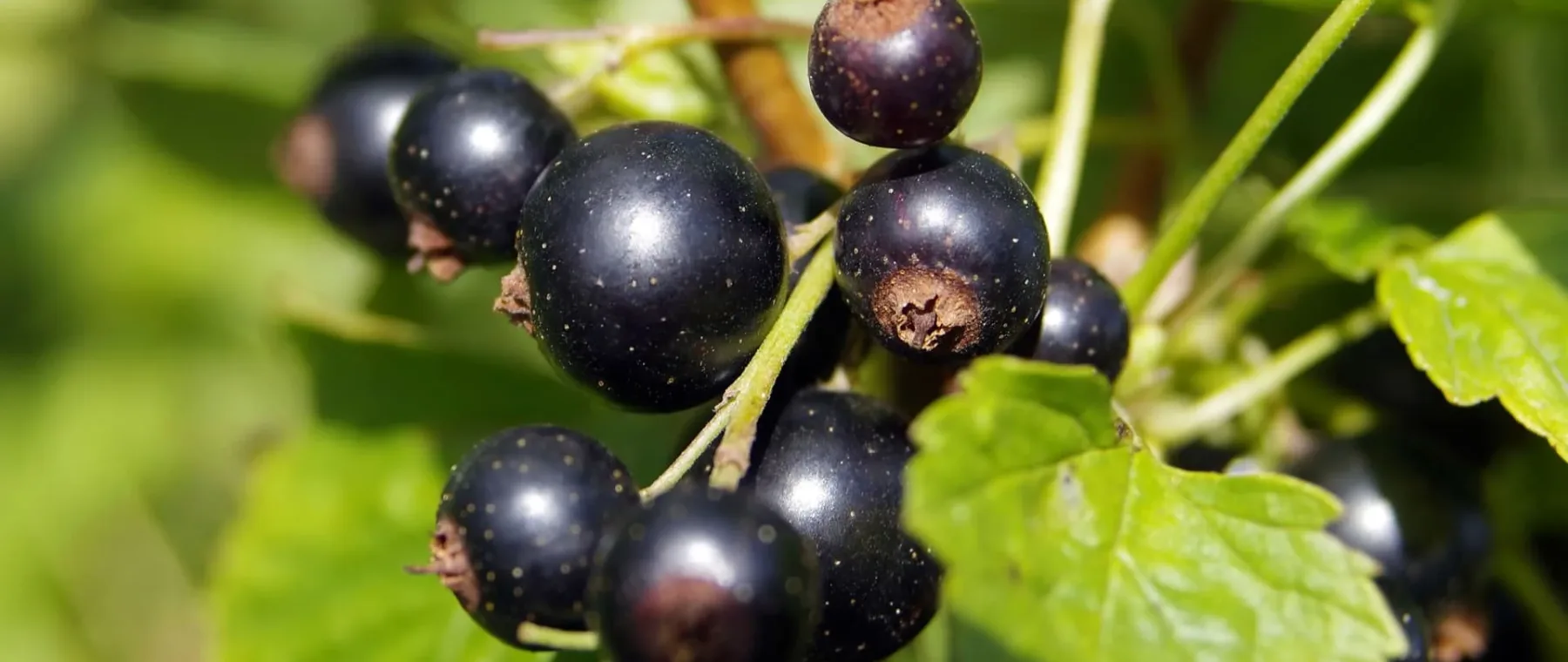
In addition to following these tips, you can manage seasonal allergies by taking BLACKCURRANT (Ribes nigrum) supplements, available as bud extract orblackcurrant seed oil capsules.
The buds are rich in essential oil, flavonoids, and glycosides that stimulate the adrenal glands to produce cortisol, an endogenous corticosteroid that helps the body respond to inflammation. This “cortisone-like” activity triggers a very important response, as it increases the production of adrenal steroids—which are normally secreted by our glands to counteract all types of stress or injury, stimulate the conversion of proteins into energy, combat inflammation, and temporarily inhibit the immune system’s response that triggers allergies.
Black currant bud extract is therefore used for its powerfulanti-inflammatory and antihistamine properties, as it acts both on the skin—in cases of allergic dermatitis
such as eczema, hives, and contact dermatitis, as well as in the respiratory tract, for allergic and chronic rhinitis, asthma, bronchitis, laryngitis, pharyngitis, and conjunctivitis. Blackcurrant also has an immunostimulant effect, as it combats fatigue and increases resistance to the cold to help prevent flu-like illnesses, making it useful against winter allergies as well.
Blackcurrant (Ribes nigrum) seeds, on the other hand, are a plant-based source of polyunsaturated fatty acids from the omega-6 series—primarily GLA (gamma-linolenic acid: 15%)—and from the omega-3 series, represented by ALA (alpha-linolenic acid: 12–14%), which are present in the oil in the form of triglycerides.
Thanks to the presence of these fatty acids, black currant oil is believed to possessanti-inflammatory, antithrombotic, and anti-allergic properties; GLA is a precursor to the prostaglandin PGE-1
and ALA is a precursor to eicosapentaenoic acid (EPA), from which type 1 prostaglandins and thromboxanes are derived; these block the production of inflammatory prostaglandins (PGE-2), thereby
exertingantiplatelet, anti-inflammatory, and antiallergic effects.
In addition, blackcurrant seeds may have a beneficial effect on inflammatory processes due to the presence of tannins with astringent properties. Blackcurrant is very well tolerated and has no particular contraindications at the recommended doses.
DIRECTIONS FOR USE:
• Blackcurrant Bud Extract: It is recommended to take 60 drops diluted in a small amount of water, 2–3 times a day, between meals
• Blackcurrant Oil (capsules): We recommend taking 3–4 capsules daily, to be swallowed with water.