

UrinaryTract Infections ( UTIs) are a very common problem and even represent the second most frequent infection among the population.
Approximately 90 percent of these infections are caused by strains of Escherichia coli, a gram-negative bacterium that originates from the gut and under certain conditions (e.g., stress, alcohol, smoking, genetic predisposition) colonizes, to varying degrees, the genito-urinary tract inducing infections.
Infection arises as a result of adhesion of the bacterium to its environment; adhesion is mediated by bacterial lectins that are complementary to receptors, represented by sugar residues and present on the cell surface. The rooting of E. coli is mediated by the fimbriae, filamentous appendages that allow the bacterium to attach to urothelial cells.
In particular, E. coli expresses two types of appendages:
- the fimbriae of type 1 or mannose-sensitive (MS), which use mannose residues to anchor themselves
- the P-type fimbriae or mannose-resistant (MR), which bind to a galactose disaccharide present on the surface of uroepithelial cells
Depending on the colonized environment, the main infections are:
Type of infection Localization of the bacterium Affected tract
Urethritis Urethra
Cystitis Bladder Low urinary tract
Prostate Prostatitis
Kidney Pyelonephritis Upper urinary tract
A very useful approach in cases of infections sustained by E. coli is so-called "anti-adhesion therapy," which is effective both as prevention and as treatment during acute infection.
The product D-mannose Plus helps fight urinary tract infections because it contains two main anti-adhesion agents, D-mannose and Cranberry (Cranberry), combined with Vitamin C. The D-MANNOSE is a sugar that competitively inhibits the attachment of type 1 fimbriae to uroepithelial cells; this molecule binds to bacteria, displacing them from their binding sites by carrying them into the urinary stream where they are subsequently destroyed by physiological defense mechanisms.
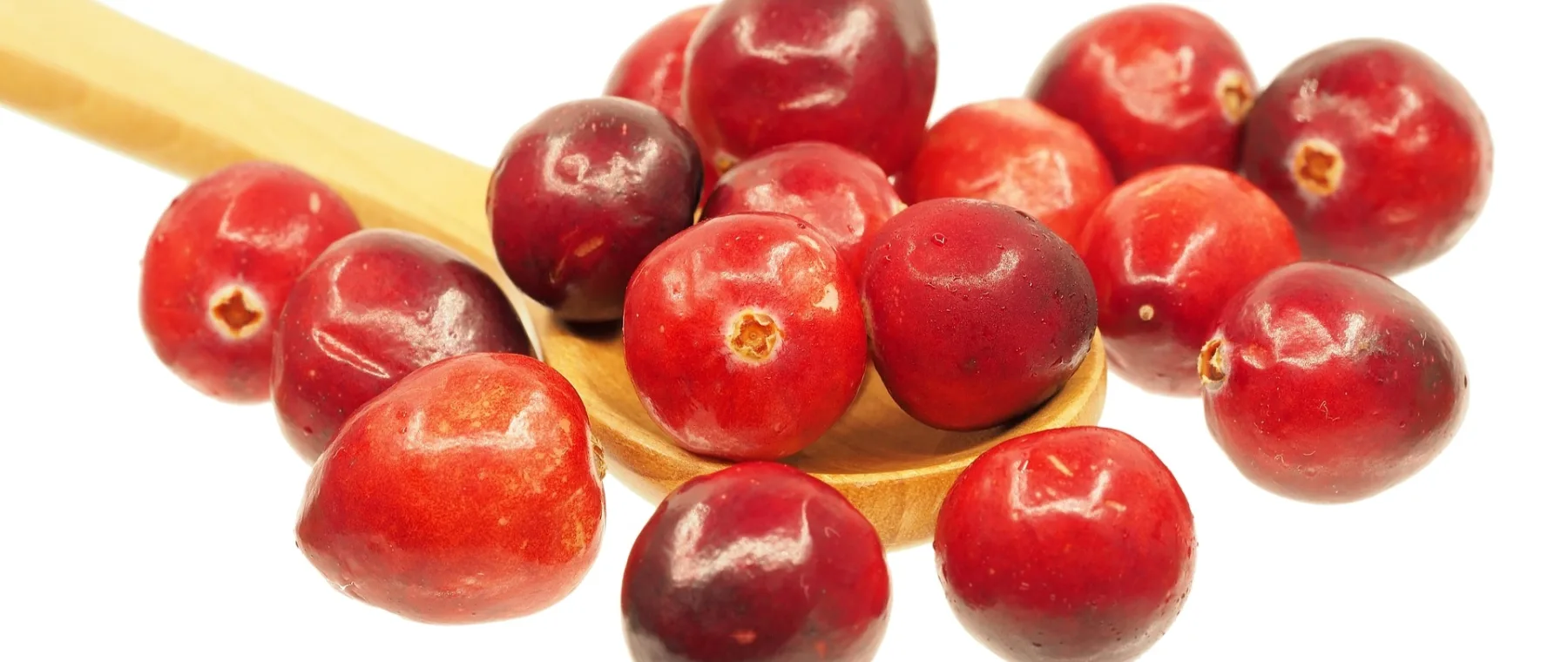
In vitro studies carried out on epithelial cells isolated from women with recurrent UTI have proven the efficacy of D-mannose in preventing adhesion of fimbriated E. coli type 1; 73 strains of E. coli were isolated and 66 of these were tested in order to assess their adherence following treatment with D-Mannose. It was seen that this sugar inhibited adhesion to the vaginal epithelium of 42% of the strains isolated from one set of female volunteers and 50% of 11 other E. coli strains. (A) Urinary concentration of D-mannose in volunteers demonstrated an inverse correlation between low concentrations of this sugar and increased incidence of infection. The mechanism of action of D-mannose is coupled with the action of cranberry PROANTOCIANIDINS (PACs), which inhibit E. coli P-fimbriate engraftment because they bind to galactoside residues on the surface of uroepithelial cells.
Recent studies have shown that cranberry also possesses a high anti-adhesive capacity; this capacity was measured both in vitro and in vivo by taking, early in the morning, the urine of some subjects. After supplementation of 36 mg of PACs and subsequently 108 mg, bacterial adhesion was significantly and dose-dependently decreased. (B) Vitamin C complements the product profile because it acidifies pH, creating an inhospitable environment for bacterial growth. A positive aspect of the D-mannose Plus product is the high dosages of each component; this choice stems from the assumption that both D-mannose and Cranberry act with a dose-dependent mechanism, and thus the amounts contributed are such that they are effective and ready to act.
AVERAGE CONTENTS OF CHARACTERIZING INGREDIENTS
Components per daily dose (4 tablets of 1.1 g)
Components Per daily dose
D-Mannose 2500 mg
Cranberry fruit e.s 432 mg
of which proanthocyanidins 108 mg
Vitamin C 320 mg (400% NRV)
DIRECTIONS FOR USE
In the acute phase, 4 tablets daily for 3 days is recommended, and as a maintenance phase, 2 tablets are continued for 4 days. One aspect to be emphasized is the frequency of administration; the anti-adhesive action is also time-dependent i.e., the greatest efficacy is achieved by taking the maximum dose divided into several daily administrations since taking 4 cpr/day allows for total coverage of 24h.
If necessary, the product can also be used to prevent any recurrence; in this case, 2 tablets per day are sufficient.
BIBLIOGRAPHY
- SCHAEFFER A.J., CHMIEL J.S., DUNCAN J.L. et al. J. Urol. 1984, 131 (5), 906-10
- LAVIGNE J.P., BOURG G., COMBESCURE C. et al. Clin. Microbiol. Infect. 2008, 14 (4), 350-5